
Body Contouring Solutions: Exploring Non-Surgical And Surgical Options

Aftercare, Safety, and Regulatory Oversight in Saudi Body Contouring Solutions
Post-procedure care is an essential aspect of both surgical and non-surgical body contouring in Saudi Arabia. Providers deliver detailed instructions, which may include guidelines on activity limitations, wound care, and follow-up appointments. For surgical solutions, monitoring for potential complications and managing short-term discomfort are integrated into aftercare protocols. Non-surgical interventions also require guidance, especially regarding what sensations or changes are typical in the days following treatment.
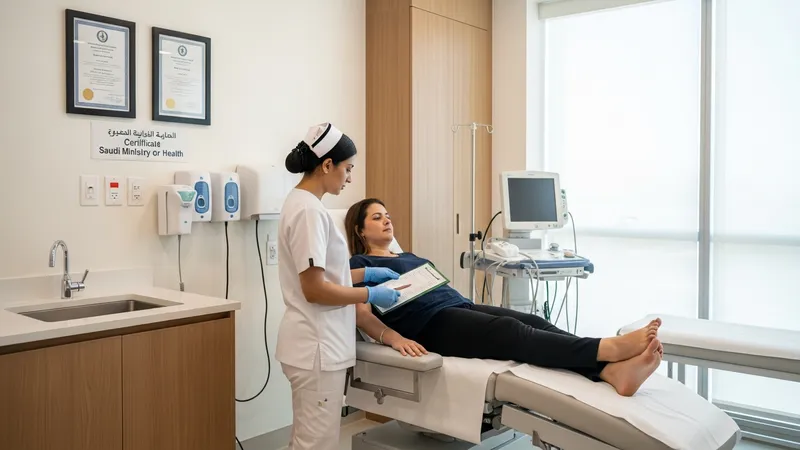
Patient safety is governed by strict Saudi Ministry of Health (MOH) standards. Regulatory requirements mandate that all staff are properly qualified, facilities meet specific technical and hygiene standards, and that emergency protocols are in place. Clinics are subject to periodic site visits, and any medical devices used must display approval by the Saudi Food and Drug Authority (SFDA). This oversight is intended to protect individuals seeking cosmetic interventions within the country.
Education about potential risks and achievable outcomes is a focal point of initial consultations. Providers in Saudi Arabia are obligated to offer balanced, comprehensive information without making unqualified promises about results or safety. Written and verbal explanations help individuals make informed decisions, while consent forms must be signed prior to the procedure to comply with legal and ethical standards.
In summary, body contouring solutions in Saudi Arabia include a spectrum of surgical and non-surgical options tailored to varied needs. The processes involved emphasize transparency, regulatory compliance, and individualized planning, underlining the importance of understanding each approach’s implications. This framework supports safe choices and aligns with national healthcare priorities for quality and accountability.