
Battery Storage Innovation: Key Trends And Technological Advances

Battery Storage Innovation: Efficiency and Energy Management
Improvements in battery storage efficiency are critical for optimizing both the economics and the sustainability of energy systems in the Netherlands. Innovation in charge and discharge cycles, thermal management, and reduction of self-discharge rates can lead to better round-trip efficiency. Efficient battery use not only conserves energy but may also decrease operational costs over the lifespan of a storage installation.
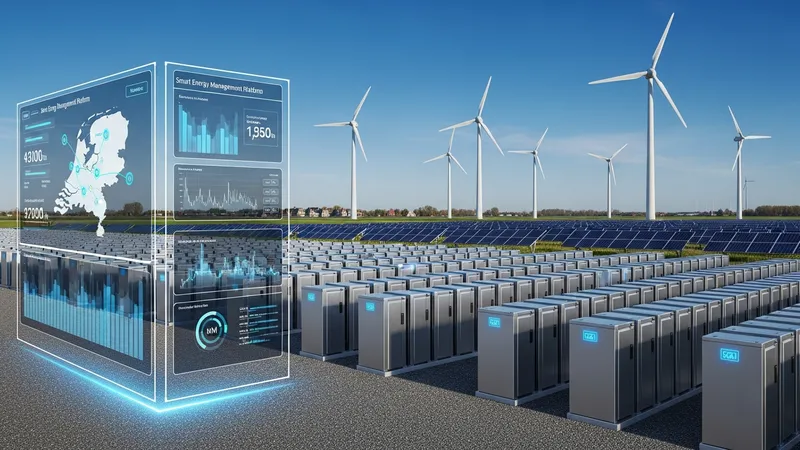
Smart energy management platforms are widely implemented to orchestrate how batteries interact with variable-generation assets such as solar panels or wind turbines. These systems monitor real-time grid conditions and battery status, often making automated adjustments to storage and release schedules. In the Dutch context, such solutions often form part of broader smart grid or demand-side management strategies, helping balance electricity supply with consumer demand.
The development of predictive analytics tools also supports more efficient battery use. By forecasting demand fluctuations and renewable output, battery management systems can anticipate storage needs and maximize the value delivered to the grid. This predictive approach typically enhances the operational lifespan of batteries and minimizes stress on network infrastructure.
Efficiency gains in battery storage may contribute to the broader objectives of the Dutch energy transition. Enhanced operational performance aligns with policy goals focusing on decarbonization and increased use of renewable resources. Researchers and utility stakeholders collaborate to validate these improvements in field trials, ensuring that technological advances are relevant for Netherlands-specific grid dynamics.