
Battery Energy Storage Systems: Key Considerations For Business Adoption And Planning

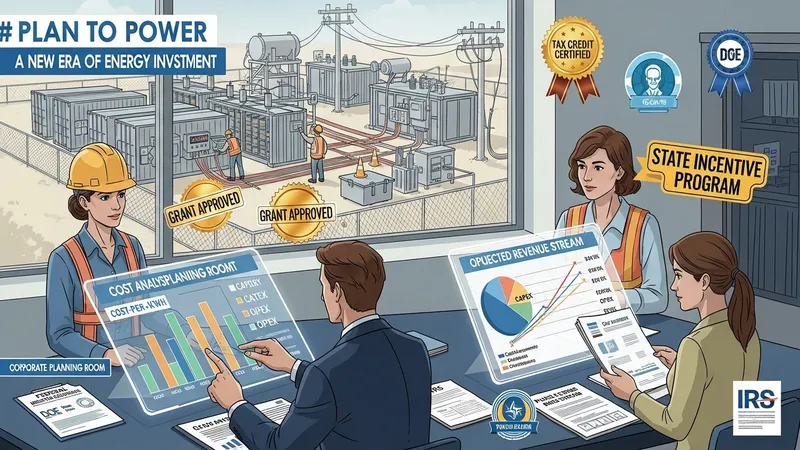
Costs, incentives, lifecycle management, and planning for Battery Energy Storage Systems: Key Considerations for Business Adoption and Planning
Project costs encompass equipment, balance‑of‑system components, engineering, permitting, interconnection upgrades, and commissioning. In the United States, businesses often separate capital expenses from ongoing operating costs such as maintenance, software licensing, and insurance. Capital cost estimates for commercial and utility projects may be expressed per kilowatt-hour of energy capacity and can vary by technology, scale, and site conditions; organizations typically model a range of cost scenarios to reflect market variability.
Federal and state financial provisions can affect the economics of adoption. Tax credits, grant programs, and state incentives may be available in certain cases, and eligibility often depends on project attributes and prevailing guidance from agencies such as the U.S. Department of Energy or the Internal Revenue Service. Companies commonly consult official guidance and tax advisors to understand how national and state policies may influence project structuring without assuming guaranteed outcomes.
Lifecycle management addresses replacement planning, end‑of‑life options, and recycling. Battery systems typically experience gradual capacity loss, and owners often plan for mid‑life component replacements or warranty milestone testing. In the U.S., recycling infrastructure for lithium‑ion batteries is evolving; businesses may assess vendor take‑back programs, recycling services, and regulatory requirements for hazardous materials handling when developing decommissioning plans.
Risk management and procurement strategies shape long‑term performance. Contract provisions for performance guarantees, warranty coverage, and service-level terms can influence lifecycle costs. Procurement teams often request technical evaluation data, third‑party testing, and reference installations to validate vendor claims. Planning documents frequently include contingency schedules and sensitivity analyses to reflect variations in market conditions, technology performance, and permitting timelines in the U.S. context.