
Automobiles: Emerging Innovations Shaping The Future Of Transportation

Performance Engineering and Future Automotive Trends
Engineering for performance in modern automobiles includes advancements in material composition, drivetrain optimization, and weight reduction. Lightweight materials such as advanced composites and high-strength alloys may be used to improve energy efficiency and handling characteristics without compromising safety. Aerodynamic design updates are also a notable aspect of ongoing vehicle development.
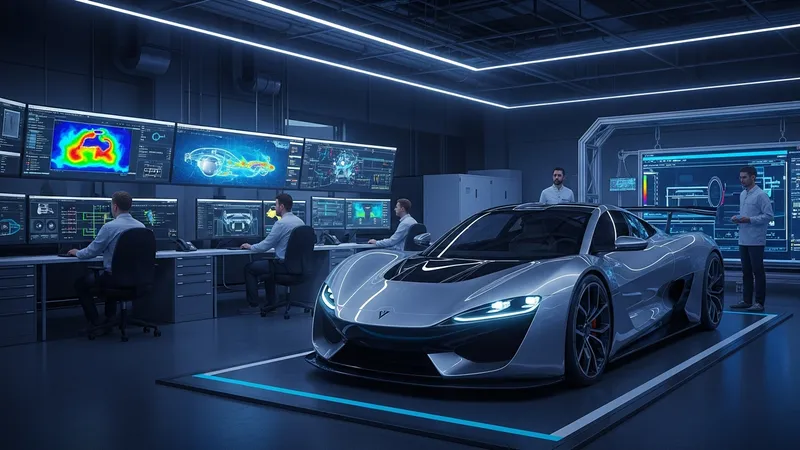
Digital simulation tools and real-time monitoring technology facilitate iterative improvements to vehicle performance throughout the design and operational lifecycle. Engineers can use modeling software to predict outcomes, optimize component reliability, and tailor vehicles to specific transportation needs. These methodologies are usually integrated during research, prototyping, and production phases.
Trends in powertrain development include a focus on electric propulsion, hybrid models, and hydrogen fuel cell research. Each approach brings unique considerations for infrastructure, range, emissions, and lifecycle maintenance. The automotive sector typically evaluates these technologies based on regional needs, regulatory drivers, and total cost of ownership studies.
The future trajectory of automobile innovation may involve increased convergence of digital integration, safety improvements, and environmental responsibility. Collaborative work between automotive manufacturers, technology companies, and regulatory bodies is shaping a landscape where data-driven features and connected systems are integral to advancing reliable and sustainable transportation.