
Automation: Key Factors Driving Operational Transformation

Types of Automation Technologies Influencing Operational Transformation
Automation technologies vary in their application scope and complexity, influencing how organizations implement operational changes. Robotic Process Automation (RPA) software is often employed to automate rule-based tasks that follow explicit procedures; this typically includes data entry, invoice processing, and basic customer requests. In contrast, Intelligent Process Automation (IPA) extends functionality by integrating AI capabilities such as learning and natural language understanding, enabling handling of more varied and unstructured inputs.
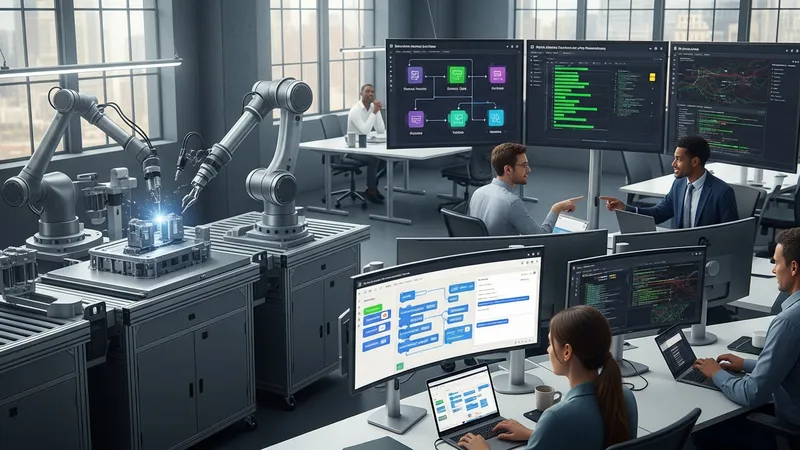
Low-code and no-code platforms represent another category, allowing users with minimal programming skills to build workflows that automate specific operations. These platforms can reduce development times and encourage adoption within diverse business units. Additionally, physical automation includes robotics employed in manufacturing or logistics to improve throughput and precision, although these require different infrastructural investments compared to software automation.
The choice among automation types generally depends on process complexity, volume, and adaptability requirements. For instance, RPA suits repetitive, high-volume tasks with clear rules, while IPA can address exceptions and decision-based operations. Combining these types within an organization often reflects a layered approach where simpler tasks are automated first, followed by more complex scenarios.
Organizations may also consider cloud-based automation services, which offer scalability and integration advantages for modern operations. Cloud platforms can facilitate rapid deployment and updates, although organizations need to assess data security and compliance aspects. Together, these automation forms represent a spectrum of technological solutions that can inform the operational transformation strategy.