
Automatic Invoicing: How It Works And Key Features Explained

Recurring billing, schedules, and payment tracking within Automatic Invoicing: How It Works and Key Features Explained
Recurring billing logic typically stores a schedule record for each customer or contract, including frequency, next billing date, and any proration rules. Systems may support common billing cycles such as monthly, quarterly, or annual, and can include options for trial periods and renewal notifications. Retry logic for failed payments and automated reminder sequences are often configurable. These features aim to reduce manual follow-up while ensuring customers receive consistent statements according to agreed terms.
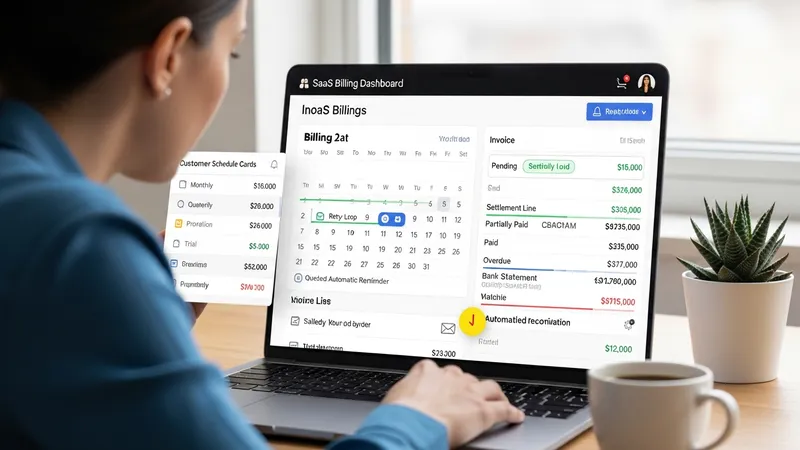
Payment tracking components attach settlement information to invoices once a payment is received or attempted. Status fields such as pending, partially paid, paid, or overdue are commonly used to manage lifecycle stages. Reconciliation tools may match incoming payments from bank statements or payment gateways to outstanding invoices using identifiers or amounts. Automated reconciliation can reduce manual ledger entry but often requires periodic review to resolve mismatches caused by partial payments or ambiguous remittance information.
Dunning and collections workflows can be automated to escalate outstanding balances over time. Typical sequences include a set of reminder notices with varying tone and content, and may culminate in referral to collections or a pause of service for recurrent billing arrangements. Systems may allow configurable intervals and content templates for each stage. These workflows commonly aim to balance timely collection with customer communication considerations and may integrate with CRM records to track outreach history.
Payment method support and gateway integration influence processing speed and reconciliation accuracy. Systems that include hosted payment pages or secure links can make settling invoices straightforward for recipients, while direct debit and ACH options may require additional setup. Gateway integrations typically expose transaction IDs and settlement dates that help link payments to invoices. When multiple payment methods are used, clear mapping rules and a centralized transaction ledger can assist in maintaining consistent accounts receivable records.