
Automated Production Machinery: How Automation Transforms Production Lines

Considerations for Integrating Automation in Production Facilities
Before integrating automated production machinery, organizations in Mexico typically conduct detailed feasibility studies. These involve assessing which processes can be automated for the greatest benefit, calculating potential return on investment, and evaluating facility readiness. Such evaluations help avoid costly mismatches between new equipment and production realities.
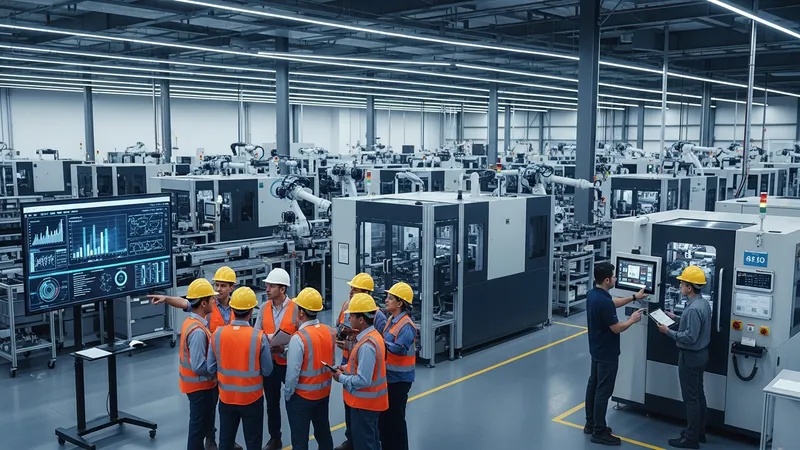
Change management is vital in achieving successful outcomes, as workplace dynamics may shift when automation is introduced. Organizations often provide training and support to staff members whose roles may evolve, ensuring continuity in production knowledge while adapting to new operational workflows. Employee engagement during this period tends to be a key factor in overall project success.
Regulatory compliance remains a persistent consideration. Automated production systems must adhere to Mexico’s workplace safety standards and environmental regulations. In certain sectors, additional import permits or certifications may be required for specific types of machinery. Early engagement with authorities and careful documentation can help minimize regulatory risks during commissioning and operation.
Long-term flexibility is a commonly prioritized goal when specifying automation solutions. Selecting machinery that can be updated or repurposed for new product lines supports sustainability and reduces lifecycle costs. This strategic approach enables manufacturers to adapt to evolving market demands and technological advances over time, reinforcing the ongoing value of automation investments.