
Auto Insurance: Steps To Choose The Right Coverage For Your Needs

Considerations for Coverage Limits and Deductibles
Coverage limits define the maximum amount an insurer will pay for a claim under specific coverage categories, such as bodily injury or property damage liability. In the U.S., states typically set minimum liability limits which drivers must meet but do not prevent them from selecting higher limits. Higher limits may provide additional financial protection in more severe incidents but generally reflect higher premium charges.
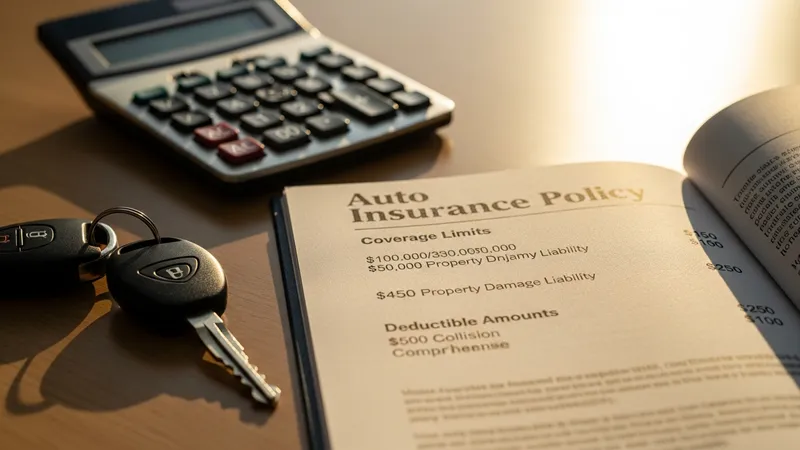
Deductibles are the amounts the insured agrees to pay out of pocket before insurance benefits begin to apply, commonly associated with collision and comprehensive coverages. Selecting higher deductibles can reduce premium costs but increases the financial responsibility borne by the policyholder in the event of damage. Drivers often weigh the deductible amount against their ability to cover repair costs independently.
The interaction between coverage limits and deductibles is central to managing insurance premiums and risk exposure. For example, a driver with a higher deductible but modest coverage limits might experience relatively lower premiums but greater out-of-pocket exposure for serious damages. Conversely, lower deductibles paired with higher limits tend toward greater premium expense but reduced personal expense upon a claim.
Individuals are encouraged to review personal financial circumstances, vehicle value, and risk comfort levels when selecting limits and deductible amounts. Additionally, checking that selected coverage aligns with state minimums ensures legal compliance. These factors typically warrant periodic review as driver conditions or vehicle status changes over time.