
Auto Insurance: Steps To Choose The Right Coverage For Your Needs

Types of Coverage in Auto Insurance
Auto insurance policies often include varied types of coverage designed to address different loss scenarios. Liability coverage typically forms the mandatory foundational element in the United States, covering injury and property damage to others when the insured causes an incident. The scope and required limits are generally set by state legislation and can vary widely across jurisdictions.
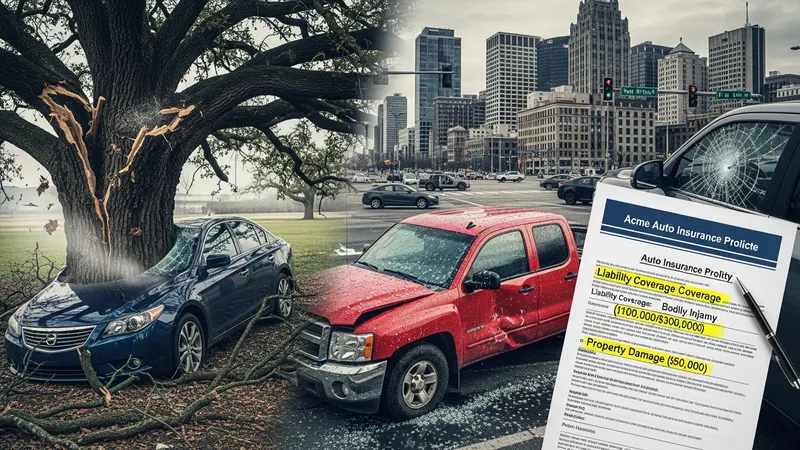
Collision coverage may pay for vehicle repairs resulting from a collision with another vehicle or object, following deductible application. This coverage frequently appeals to those with newer or higher-value vehicles, as repair expenses might be significant. Comprehensive coverage additionally addresses damage occurring from non-collision events such as theft, vandalism, natural disasters, or contact with animals.
Other forms of coverage, often optional, may include uninsured/underinsured motorist protections, which can provide financial recourse if the at-fault driver’s coverage is inadequate. Medical payments coverage or personal injury protection may also be offered to help with medical-related costs after an accident, differing by state regulations. Some policies might allow for roadside assistance or rental vehicle reimbursement as add-ons.
Understanding the coverage composition is essential since different coverages suit diverse risk management strategies and legal demands. For instance, a driver in a dense urban area with high traffic levels might prioritize comprehensive and collision coverages more than a driver in a rural environment, where risks vary. Evaluating these types within personal contexts can support informed decisions about coverage selections.