
Asset-Based Lending: How Businesses Use Assets To Secure Funding

Legal, regulatory and exit considerations for asset‑based lending
Legal protections hinge on proper perfection and documentation. In the United States, lenders typically record UCC‑1 financing statements for personal property and record mortgages or deeds for real estate to establish priority. Title searches, environmental reviews for real property and insurance endorsements are common steps to reduce legal exposure. Intercreditor arrangements may be necessary when multiple lenders hold liens on different asset classes; such agreements define enforcement rights, payment priorities and procedures in a workout or insolvency scenario.
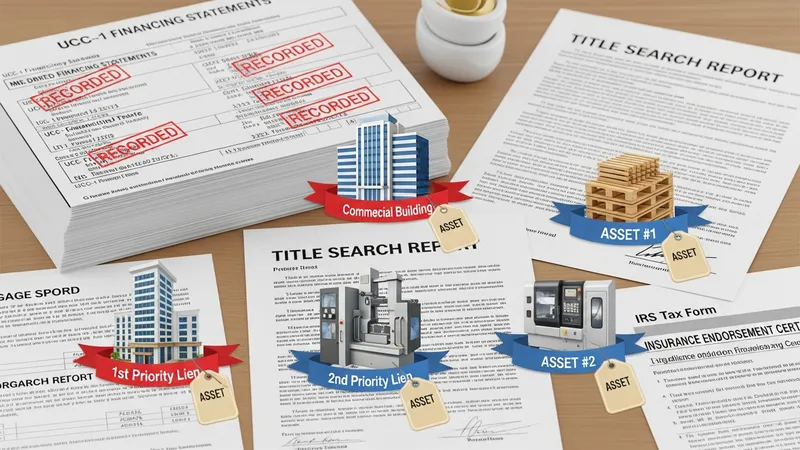
Regulatory and tax aspects can affect both structuring and enforcement. Lenders and borrowers may consider potential tax consequences of collateral disposition and cancellation of debt treatment under Internal Revenue Service rules. Commercial lending by banks is subject to prudential supervision, and nonbank finance providers may face different regulatory frameworks; these distinctions can influence documentation choices and risk management practices. Parties often consult U.S. regulatory guidance and counsel to align the facility with applicable compliance requirements.
Exit planning and remedies determine likely recovery paths in adverse scenarios. Standard remedies include foreclosure on real property, repossession and sale of equipment, and collection of receivables under agreed‑upon procedures. In many U.S. agreements, foreclosure or repossession rights are exercised after defined default events and with notice where required by law. Lenders may also pursue negotiated restructurings or assign receivables collections to third parties; the chosen path typically reflects asset liquidity, legal costs and the borrower’s viability.
In closing, asset‑backed commercial credit involves interplay between collateral valuation, legal perfection and operational oversight. Effective documentation and routine monitoring aim to preserve asset value and clarify recovery options, while pricing and covenants reflect the inherent tradeoffs between liquidity provided and administrative requirements imposed. Readers seeking further procedural detail may consult U.S. statutory sources such as the state UCC provisions, U.S. Bankruptcy Code resources at U.S. Courts, and federal guidance on small business financing at SBA.