
Artificial Intelligence: Insights Into Technologies And Use Cases

Applications of AI in Australian Healthcare, Finance, and Retail
Within healthcare, AI-driven diagnostic support tools are under evaluation for their ability to assist clinicians with interpreting imaging scans and patient records. Research collaborations between hospitals and universities in Australia may lead to more accurate or efficient identification of medical conditions, subject to thorough validation and oversight processes. Early pilot programs using AI for cancer detection have demonstrated potential value in assisting medical staff, although practical adoption generally follows a staged and evidence-based progression.
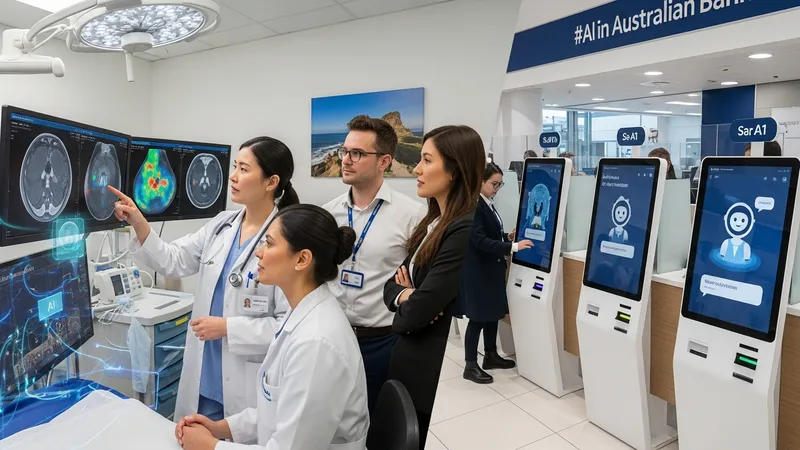
Australian financial institutions often utilize AI to support customer interactions and operational risk management. AI chatbots are designed to handle routine banking inquiries and free up staff to address more complex issues. Predictive analytics powered by machine learning can also assist in credit risk assessment and transaction monitoring, enabling institutions to focus resources where they are most likely to be required. All implementations are typically governed by national data privacy and security policies.
In retail, AI systems are becoming more integrated into store operations and supply chain management. Applications may include automated product recommendation engines for e-commerce, inventory forecasting for physical stores, and computer vision systems for real-time stock monitoring. Larger retailers have the capacity to trial and deploy customized AI solutions, whereas smaller businesses typically access cloud-based services that offer scalable machine learning and analytics tools.
Each industry in Australia adjusts its approach to AI based on distinct regulatory, security, and operational factors. Stakeholders frequently monitor emerging guidelines from authorities and remain informed about ethics, reliability, and transparency. Ongoing professional development opportunities in data science and AI further support industry readiness and responsible integration of new technologies.