
Artificial Intelligence In Organizations: Key Applications And Use Cases

Enhancement of Customer Service with AI Technologies
Organizations frequently incorporate AI technologies in customer service to handle inquiries through automated interactions. Applications include chatbots, virtual assistants, and voice recognition systems aimed at providing timely responses and routine support. These technologies may reduce wait times and allow continuous availability outside of traditional business hours. However, they typically serve as the first point of contact, with escalation mechanisms to human agents for complex cases.
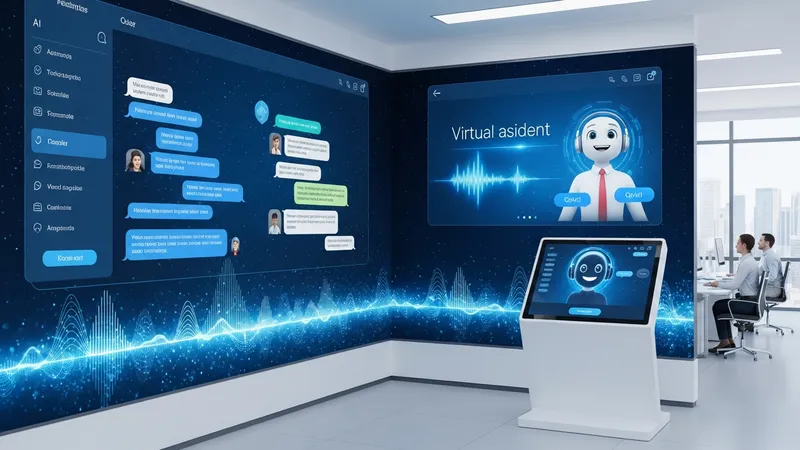
The design of AI-based customer service systems often involves natural language processing (NLP) capabilities, enabling interpretation of user intent and contextual understanding. Tools such as Amazon Lex and Google Dialogflow provide frameworks for creating conversational interfaces. Performance depends on the quality of underlying language models and training data derived from customer interactions.
Implementation considerations include user experience design, data privacy, and integration with customer management systems. Security practices play a role in protecting sensitive customer information handled by AI interfaces. Organizations also monitor metrics such as customer satisfaction scores, resolution rates, and interaction volumes to assess system effectiveness over time.
Pricing for AI customer service platforms often follows subscription models based on the number of interactions or active users. Organizations may choose solutions that scale according to demand or offer customization to align with specific service requirements. The incorporation of AI in customer service forms part of broader digital transformation efforts geared toward more automated and data-informed customer engagement.