
Artificial Intelligence: How Smart Machines Are Transforming Industries

Industry Applications of Artificial Intelligence and Smart Machines
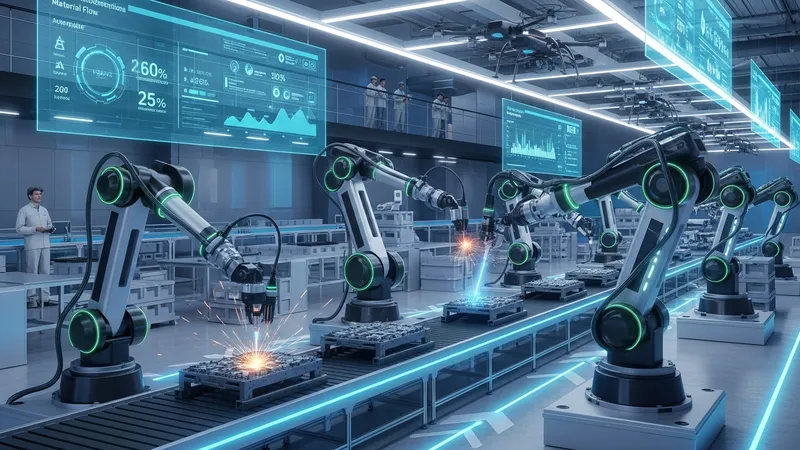
Manufacturing in the United States often leverages AI-enabled robotics and predictive analytics to monitor equipment and streamline assembly lines. These smart machines can perform repetitive or hazardous tasks, reducing human exposure to risks and potentially improving throughput. Predictive analytics may help forecast maintenance needs, minimizing equipment downtime and supporting more consistent output quality.
Healthcare organizations across the U.S. use AI for diagnostic imaging, administrative automation, and patient flow optimization. For instance, machine learning models analyze large sets of radiological images to help identify patterns that could correlate with certain conditions. Administrative tools automate appointment scheduling or insurance verification, which can speed up service without sacrificing accuracy or compliance.
In the financial sector, U.S. institutions integrate AI-driven platforms to enhance fraud detection, automate account management, and monitor market activity. Machine learning algorithms often analyze transaction patterns for signs of irregular activity, and smart customer service systems can address common inquiries. These applications may contribute to higher efficiency and timely identification of atypical behaviors.
Retailers operating within the U.S. utilize AI for demand forecasting, personalized promotions, and inventory optimization. Computer vision helps automate shelf monitoring, while recommendation engines process vast amounts of customer data within regulatory bounds. These strategies may foster streamlined supply chains and improved customer engagement, without replacing the importance of responsible human oversight.