
AI Software: Key Applications For Small Businesses

Customer Support and Interaction Management using AI in Small Businesses
AI-driven platforms frequently support customer service through chatbots, virtual assistants, and automated ticket systems. These tools can field common questions, route inquiries to the right departments, and provide status updates with little intervention. By managing the initial stages of communication, AI may reduce response wait times while ensuring that complex cases are escalated to human team members for further resolution.
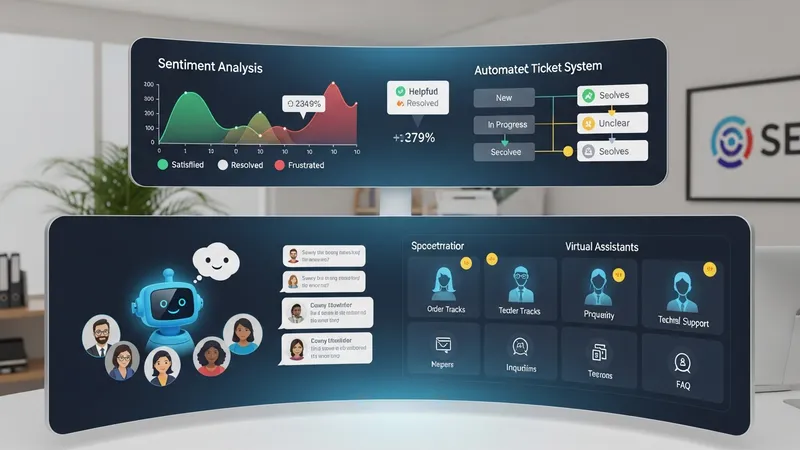
Sentiment analysis is another feature available in some AI customer support tools. This involves examining language in customer communications to gauge overall satisfaction or frustration. Businesses may use this data to adapt support scripts or address emerging issues quickly, though such analysis typically provides general trends rather than case-specific diagnoses.
AI tools often keep detailed logs of interactions. Reviewing these logs can help organizations identify recurring concerns, quality of responses, and areas for improvement within their service structures. Integration of such analysis with traditional customer surveys typically results in a more accurate understanding of client expectations and preferences.
While AI can manage many standard support processes, human oversight remains important. Businesses may periodically evaluate chatbot interactions for accuracy and tone, especially in sensitive or unique cases. Regular updates and training of AI modules can further enhance the system’s ability to represent the organization’s desired level of service consistently.