
AI Home Devices: How Smart Technology Enhances Daily Living

Key Functions of AI Home Devices in Daily Life
AI home devices in the United States often fulfill specific functions that align with common household needs. Climate control systems such as smart thermostats can regulate heating and cooling according to user schedules or environmental changes. Voice assistants are typically integrated to manage tasks like playing media, adjusting lights, or setting reminders. Security devices utilize AI for event detection, distinguishing between visitors and potential intrusions. These functionalities collectively support automated daily routines and may contribute to more efficient resource use.
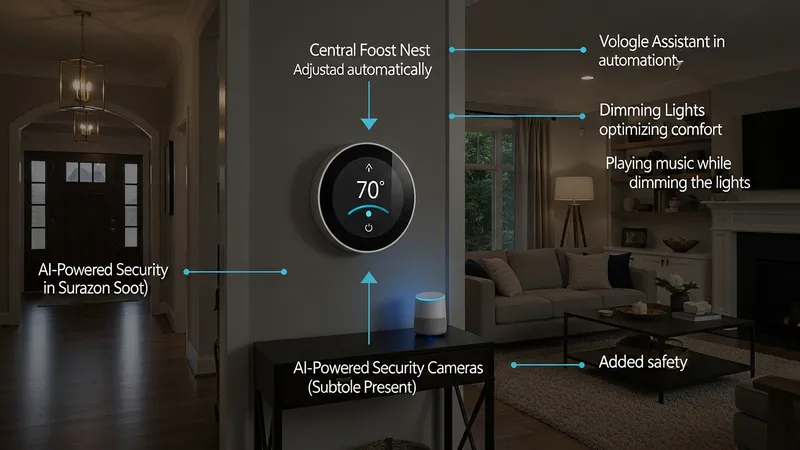
Smart thermostats, such as the Google Nest, often employ algorithms that learn household behaviors over time. By monitoring occupancy and manual adjustments, these systems can create optimized heating and cooling profiles. This approach may result in reduced energy consumption or comfort adjustments based on seasonal patterns. Features like remote control via smartphone apps provide flexibility for users who require access while away from home, enhancing the benefit of adaptable climate management.
Intelligent speakers exemplify the role of voice-driven assistants in home environments. These devices, like the Amazon Echo, process spoken commands to perform actions such as controlling connected appliances, providing news updates, or initiating phone calls. The integration with a wide range of smart home platforms typically makes these speakers functional hubs for home automation. Custom routines, such as morning briefings or evening lighting adjustments, can be set up to streamline repetitive tasks according to user preference.
Security-oriented devices, including video doorbells like those from Ring, add an extra layer of monitoring through AI-powered features. Motion detection differentiates between people, animals, or vehicles, reducing unnecessary alerts. Video feeds can be accessed remotely, enabling residents to monitor entrances regardless of their physical location. These systems may also offer integration with other AI devices, such as voice assistants, to enhance notification delivery and immediate responses.