
AI CV Makers: How Automated Resume Builders Work And What To Expect

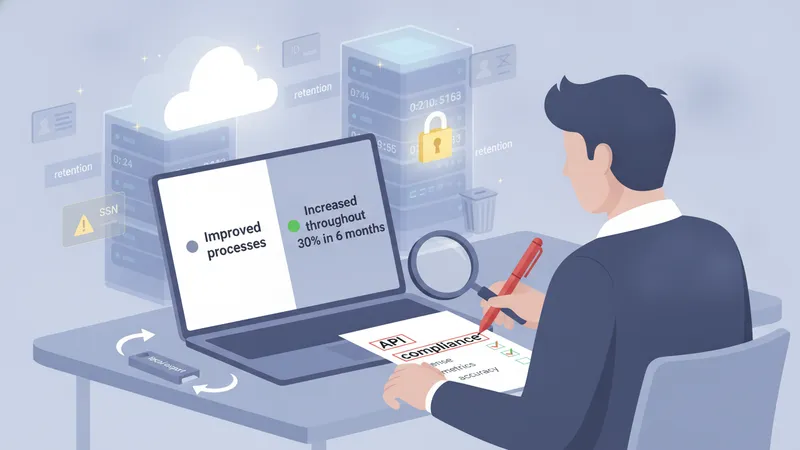
AI CV Makers: Data, privacy, and accuracy considerations
Data retention practices differ among providers and can affect how user inputs are used. Some services state that submitted résumé text may be retained to improve models, while others maintain that user content is deleted upon account removal. Reading privacy policies can clarify whether data is used for training language models or for analytics. For sensitive roles or when including personal identifiers, users may choose to withhold certain details. Consider whether a platform offers local export only or whether it stores copies on remote servers.
Accuracy of generated content varies with input quality and model constraints. When users supply specific, quantified accomplishments, systems commonly produce clearer achievement statements; when inputs are brief, generated text may use generic language. It is typical for editors to review generated sections for factual correctness, consistent tense, and precise metrics. In regulated fields or technical disciplines, domain-specific terminology may be required, and generic language models may not reliably replicate specialized phrasing without targeted prompts or user editing.
Transparency about algorithmic behavior is uneven across the ecosystem. Some providers document their use of rule-based parsing versus machine learning models, while others offer limited technical detail. This transparency may matter for users who need to understand why certain keywords were prioritized or how suggestions are derived. As a consideration, favoring platforms that disclose data handling and algorithmic approaches can help users make informed choices about trade-offs between convenience and control.
Security measures such as encryption in transit and at rest are relevant but variably reported. Users may inquire whether platforms offer end-to-end encryption for stored résumés or require multi-factor authentication for accounts. For collaborative workflows that share résumés with career advisors or peers, platform sharing controls and access logs can be helpful. These operational details often determine suitability for professional contexts where confidentiality of work history and contact data is important.