
Advanced Medical Care & Surgery: Insights Into Procedures And Patient Care

Technology and Techniques in Advanced Medical Care & Surgery
Technological advancement plays a pivotal role in the evolution of surgical care in the United States. Robotic-assisted technologies, for example, combine surgical skill with computer guidance, often enhancing visualization and dexterity for surgeons. Operating room integration with imaging modalities such as intraoperative MRI or real-time fluoroscopy may improve accuracy and facilitate intraoperative decision-making. Adoption requires specialized training and ongoing quality monitoring to optimize procedural effectiveness and safety.
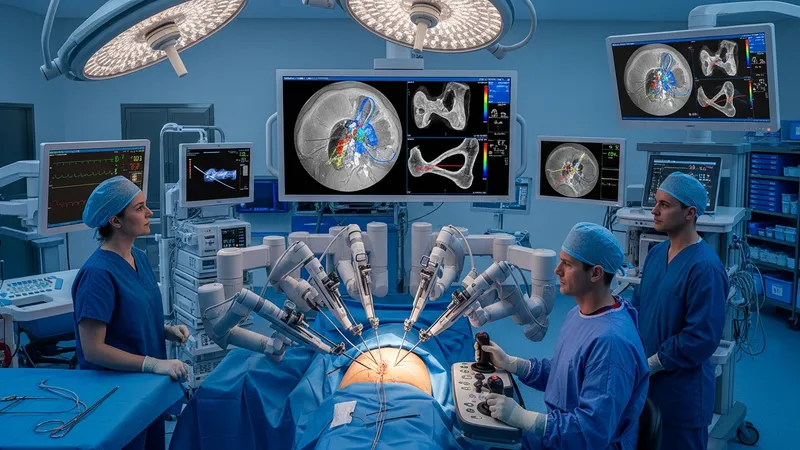
Minimally invasive techniques, increasingly common across multiple specialties, utilize small incisions and specialized instruments. These methods may aim to reduce tissue disruption, shorten hospitalization, and decrease postoperative pain. Examples in the United States include laparoscopic cholecystectomy, video-assisted thoracoscopic surgery, and endovascular aneurysm repairs. While benefits are widely discussed, selection criteria and risk assessments remain essential to ensuring appropriateness for each patient.
Precision medicine as applied to oncology and some chronic diseases involves next-generation sequencing, molecular diagnostics, and targeted therapies. In the United States, implementation can vary depending on available laboratory resources, provider training, and insurance reimbursements. Ongoing research seeks to clarify clinical benefits, long-term outcomes, and cost-effectiveness of integrating precision techniques into standard care pathways.
Continuous innovation in cardiovascular interventions, such as minimally invasive valve replacements and structural heart repairs, reflects collaboration between biomedical engineers and clinical specialists. United States hospitals frequently participate in clinical trials and technology assessments to understand the potential advantages and limitations of newer devices. Regulatory oversight is provided by organizations such as the U.S. Food & Drug Administration to support patient safety and procedural standardization.