
Adjustable Medical Beds: Benefits For Home Care Settings

Adjustable Medical Beds: Impact on Home Caregiver Support in Australia
Adjustable medical beds may help reduce the physical demands placed on family members or professional caregivers within Australian home care settings. Bed height adjustments, headrest elevation, and automated repositioning reduce the need for manual lifting or awkward positioning, which are common contributors to musculoskeletal strain. This support can be particularly significant when caring for individuals with decreased mobility or frailty, where safe handling is paramount.
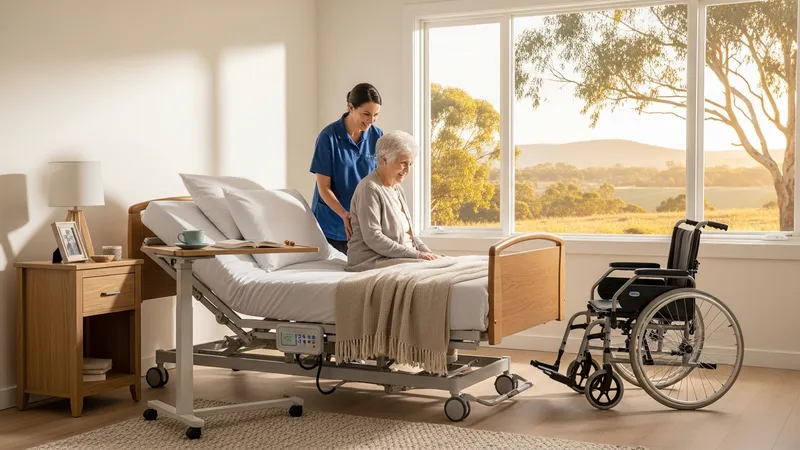
Australian reports from allied health professionals suggest that adjustable beds contribute to a safer care environment by assisting with routine transfers—such as moving a person from bed to wheelchair. Beds that can lower to facilitate entry or elevate to support standing transfers provide meaningful support in private residences. These considerations may also help families continue home care for longer durations before seeking institutional alternatives.
Another notable aspect in Australia is the effect on workflow and time efficiency for home care workers. When beds offer rapid, uncomplicated mechanical adjustments, caregivers can reposition or assist individuals with fewer interruptions to care routines. This can permit more frequent repositioning, potentially supporting comfort and reducing the risk of skin issues. Ergonomic advantages may be more pronounced with motorised beds than manual alternatives, particularly for heavier users.
Training and familiarity with adjustable bed controls are important for caregivers. In Australia, home care providers and occupational therapists often offer guidance or demonstrations during bed delivery to ensure correct and safe application. Understanding the range of adjustments and built-in safety features ensures that the bed is utilised as intended, while regular servicing supports ongoing reliability and user safety over time.