
AC Service: Essential Maintenance Steps And System Benefits

Energy Usage and System Longevity in AC Service: Essential Maintenance Steps and System Benefits
Essential maintenance steps within AC service can often be linked to patterns of energy consumption and overall system longevity. Neglect of routine tasks—such as filter changes or coil cleaning—may result in increased power demand as the AC unit compensates for restricted airflow or inefficient heat transfer. Periodic attention to these areas is a commonly adopted strategy in the HVAC industry to manage operational costs and extend product lifespans.
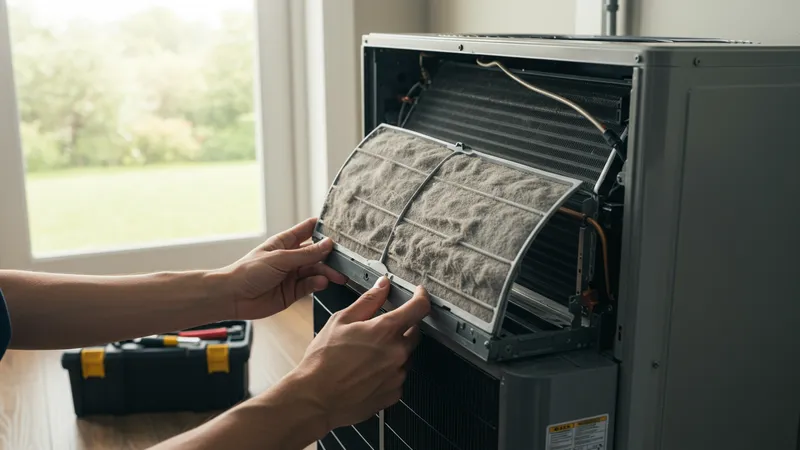
Filter maintenance is a key area where energy usage can be affected. A clean filter facilitates unobstructed air movement, which allows the system’s fan and compressor to cycle on and off as designed. When filters become saturated with particulate matter, energy draw typically increases due to heightened system resistance. Conversely, prompt filter replacement in line with general standards may contribute to more predictable energy profiles and mechanical wear reduction.
Coil cleanliness similarly plays a role in managing both immediate and long-term system efficiency. Dirty coils impede effective heat transfer, resulting in longer cooling cycles and raised utility loads. Scheduled coil cleaning, combined with attention to drainage and airflow pathways, can help mitigate these effects and preserve compressor and fan condition over extended periods.
Correct refrigerant charge is essential to optimized system operation. Undercharged or overcharged systems often draw excess current and display erratic cycling behavior, which can shorten component life. Regular monitoring and balancing of refrigerant levels, performed as part of routine service procedures, typically support manufacturer claims regarding energy efficiency and may add measurable value in lifecycle equipment costs.