
A Guide To Luxury Fashion: History, Houses, And Modern Trends

The Evolution of Sustainability in Luxury Fashion
Sustainability once seemed a foreign concept to the indulgent world of luxury fashion, but today, it is an essential aspect of brand ethos. Luxury brands are leading the charge, using their resources to pioneer green initiatives. Remarkably, Kering Group, which owns legendary houses like Gucci, publicly commits to an ambitious carbon neutrality goal across all their brands.
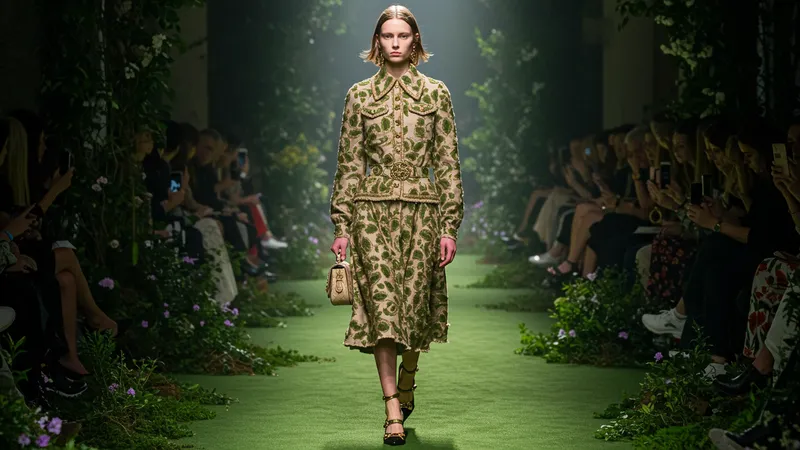
The remarkable shift signifies a changing tide in consumer expectations; no longer is it enough for fashion items to be breathtaking — they must also be responsible. Patrons demand sustainable production practices and ethical sourcing, leading luxury brands to innovate in materials, production methods, and even packaging. But will this promise be enough to trigger a more profound transformation?
However, integrating sustainability into luxury isn’t as straightforward as it seems. It demands transparency that goes against the traditionally opaque nature of high fashion. Brands are walking an enlightening but perilous path, especially when financial considerations butt heads with ethical ones. Can these fashion houses keep their promises, or will the glittering façade chip away under scrutiny?
In a remarkable twist, collaboration with tech startups provides solutions. Tech innovation isn’t just an accessory to sustainability — it’s a powerful ally. Digital tools help map and manage sustainable supply chains, creating the transparency consumers yearn for. Such partnerships herald an exciting future where progress marries responsibility, an era where luxury becomes a guardian of the planet. But as ambitious as these aims sound, are they achievable?