
Hong Kong Commodity Markets: Key Features, Structure, And Trading Mechanisms

Commodity trading activity in Hong Kong is organized around regulated exchanges, licensed intermediaries, and established clearing arrangements that support the negotiation and settlement of standardized agreements. Market activity typically covers derivatives such as futures and options, exchange-traded products that reference commodity prices, and a distinctive physical bullion market with historical local institutions. These elements together enable price discovery, risk transfer, and liquidity provision within a legal and operational framework centered in Hong Kong.
Trading in Hong Kong commonly uses electronic order books and defined contract specifications to reduce bilateral settlement risk and increase transparency. Supervisory oversight is provided by local regulators and exchange operators that set listing criteria, reporting standards, and participant rules. Market participants may include institutional traders, licensed brokers, commodity merchants, and a network of custodians and vault operators for physical delivery where applicable.
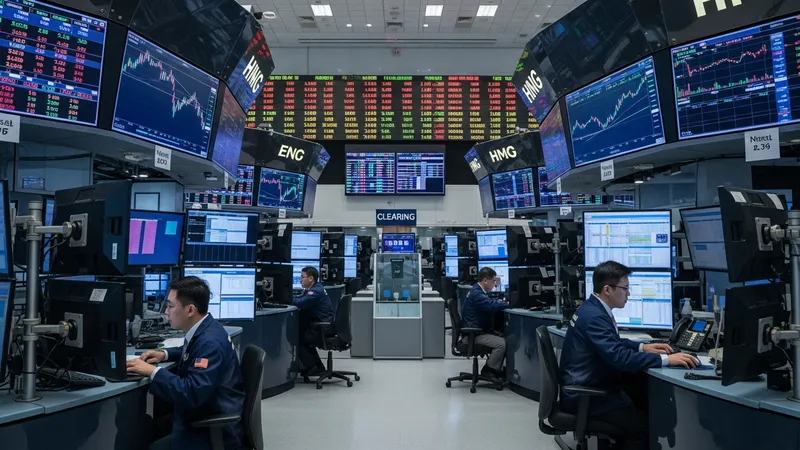
- Hong Kong Exchange-listed commodity derivatives (HKEX) — Standardized futures and options traded on the Hong Kong Futures Exchange; initial margin requirements can vary widely and may range from approximately HK$10,000 to HK$200,000 per contract depending on the underlying instrument and risk profile.
- SFC-regulated commodity-linked exchange-traded products (ETPs) — Funds and structured products that reference commodity prices; typical brokerage or transaction charges may range from about HK$50 to HK$500 per trade, while annual management fees often appear in percentage terms (commonly around 0.2%–1.0% annually).
- Chinese Gold & Silver Exchange Society (CGSE) — A longstanding local venue for physical bullion dealings and membership-based trading rules; participants often face custody and storage charges that can vary by provider and may be on the order of HK$100–HK$1,000 per month for allocated storage depending on service level.
Contract standardization is a central feature that allows parties to trade without negotiating bespoke terms for each transaction. Standard contracts define lot size, delivery dates, tick sizes, and settlement methods; these factors can influence liquidity and the competitive participation of market makers. In Hong Kong, standardization may be supplemented by local conventions for physical delivery in certain markets such as bullion, where custody and assaying standards are part of the operational framework.
Regulatory oversight in Hong Kong may combine rules from the Securities and Futures Commission (SFC), exchange bylaws administered by HKEX, and membership rules from bodies such as the CGSE for physical bullion. These combined arrangements typically specify licensing for intermediaries, reporting and disclosure duties, and surveillance measures intended to limit market abuse. Market participants commonly review regulator notices and exchange circulars to remain aligned with compliance expectations.
Electronic trading infrastructure in Hong Kong is designed to support continuous order matching, pre-trade risk controls, and post-trade reporting. Market operators typically implement connection standards, co-location options, and market data feeds that facilitate price formation and arbitrage. For many commodity-linked ETPs and derivatives, real-time price feeds and clear contract specifications assist participants in monitoring exposures and implementing hedging strategies without needing direct bilateral negotiation for each trade.
Clearing and settlement arrangements reduce counterparty exposure by centralizing trade novation through a clearing house. In Hong Kong, clearing houses linked to the main exchange assume the counterparty role after a trade is matched, with collateral and margining processes applied daily or intraday. These mechanisms commonly include variation margin, initial margin, and default procedures that can affect liquidity dynamics, especially during periods of heightened price movement.
In summary, Hong Kong’s commodity trading ecosystem typically combines exchange-traded derivatives, regulated ETPs, and an active physical bullion segment under coordinated oversight and standardized operational rules. These elements can support transparent price discovery and risk management for participants that engage through licensed brokers and custodians. The next sections examine practical components and considerations in more detail.