
Real Estate: Understanding The Home Selling Process

The process of selling a residential property in Egypt generally follows a series of organized steps that involve establishing an accurate value, preparing necessary documentation, promoting the listing to potential buyers, negotiating offers, and completing transactional requirements. Each phase is subject to local market practices and regulations, which have an impact on timelines, costs, and legal obligations for property sellers. Clarity about these aspects may help minimize complications during the sale.
Real estate transactions in Egypt typically involve several parties, including the property owner, licensed real estate agents, legal advisors, and potential buyers. Understanding each stage, from the initial decision to sell through to final transfer of ownership, allows sellers to plan effectively. Market dynamics, regulatory requirements, and customary expenses play a significant role in shaping each step of the process.
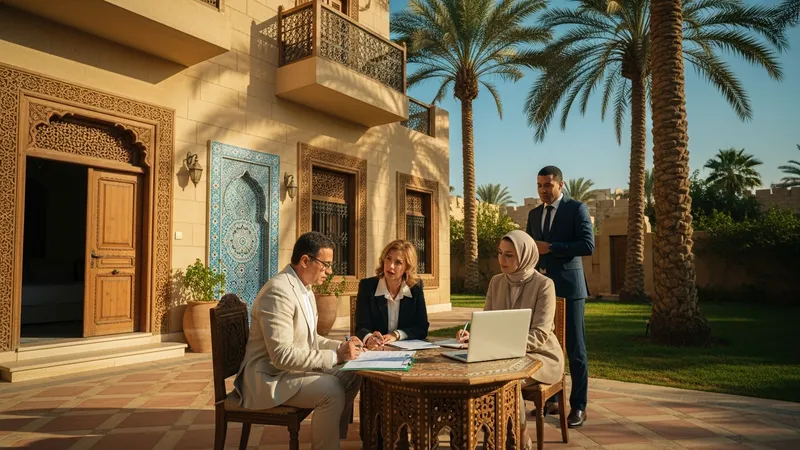
- Determining Property Value: Involves an assessment based on current market conditions, recent comparable sales, and may require input from licensed valuers. Typical valuer fees in Egypt may range from EGP 2,000 to EGP 8,000 per assessment.
- Preparing Legal Documentation: Collecting official ownership papers, tax receipts, and registration proofs. Legal service costs for documentation preparation can often range between EGP 5,000 and EGP 15,000, depending on property type and location.
- Listing and Marketing: Engaging real estate agencies or online platforms for property exposure. Agent commissions may typically be around 2% of the final sale price, negotiated between seller and agent.
One critical aspect in Egypt’s market is the assessment of property value. Accurate valuation may account for factors such as neighborhood trends, property condition, and local economic indicators. Licensed valuers or experienced agents commonly provide independent assessments, which can support pricing decisions and justify listings to potential buyers.
The preparation of legal documentation is a central concern for sellers. Required paperwork generally includes proof of ownership, past transaction records, and up-to-date property tax statements. Timely collection and validation of these materials can reduce delays, as Egyptian property transfers may be conditional on the accuracy and completeness of official records.
When the property is ready for market, sellers often choose to partner with agencies that have established networks within Egypt. Real estate agent services may extend to property photography, online listings, and managing buyer communications. Commissions generally follow customary rates, but terms can vary by contract, property value, and negotiation between the parties involved.
In addition to agent commissions, sellers may encounter ancillary costs such as administrative fees, taxes, and potential required repairs. Some of these expenses are regulated by local authorities, while others are agreed case-by-case between the buyer and seller. Awareness of these typical expenditure categories supports informed decision-making before entering the negotiation phase.
In summary, the home selling process in Egypt is characterized by sequential steps involving valuation, documentation, marketing, and closing requirements, each shaped by regulatory and market norms. The next sections examine practical components and considerations in more detail.