
Adjustable Medical Beds: Benefits For Home Care Settings

Adjustable medical beds are specialised furnishings designed to offer a range of positioning options for individuals receiving care at home. These beds incorporate features that allow the elevation of the head, feet, or both, catering to comfort and mobility requirements through motorised or manual controls. In Australian home care environments, these beds are considered helpful for facilitating daily care routines and accommodating different health or mobility circumstances.
The adaptability of such beds may allow for targeted support during rest, movement, or treatment, integrating safety elements such as side rails and braking systems. Adjustable beds differ from standard beds mainly in their ability to be customised to individual needs, which is particularly relevant in long-term or complex care scenarios. The focus is commonly on enhancing day-to-day quality of life while caring for both care recipients and caregivers in private residential settings.
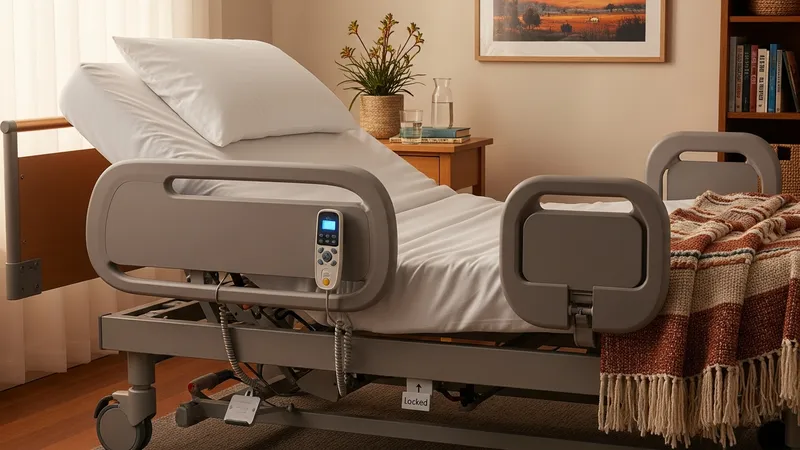
- Hospital-Style Electric Adjustable Beds: These beds can be commonly found in home care environments across Australia and often offer electronic controls for multiple position adjustments. Typical price ranges are between $2,500 and $7,000 AUD, depending on size and features.
- Manual Adjustable Beds with Hand Levers: These models use manual mechanisms to operate raising and lowering functions and may be selected where simplicity or cost control is prioritised. Prices generally start from $1,200 AUD.
- Specialist Paediatric Adjustable Beds: Designed for children with mobility needs, these beds typically integrate additional safety features and custom sizing. Costs often range from $3,000 to $8,000 AUD.
Adjustable medical beds in Australian home care settings typically prioritise flexibility, safety, and supportive features for individuals with varying care needs. These beds may help users find more comfortable or clinically advised positions, which can be particularly useful for individuals with limited mobility or specific postural needs. Models with advanced electronic adjustment mechanisms often provide more seamless repositioning, contributing to convenience for both users and caregivers.
The ability to change a bed’s configuration may help reduce the need for manual handling, which can lower physical strain on caregivers. This is particularly important in home settings where the provision of professional equipment is balanced with the practicalities of daily routines. Depending on the specific product selected, additional accessories such as pressure-relief mattresses and integrated alarms may be included.
Cost factors play a significant role in accessibility. Different models and brands available in Australia present a broad spectrum of pricing, reflecting variables such as motorisation, frame material, size, and included safety outcomes. Government support, insurance funding, or private payment options may influence the choices for Australian families considering these products for home care environments.
While the adjustment mechanisms and safety components form the foundation of these beds’ utility, correct installation and ongoing servicing are important to maintaining their function. Professional setup and guidance are typically recommended for initial installation, especially when more advanced beds with electronic controls are chosen. End-users and caregivers may also benefit from device-specific training, typically supplied by local equipment providers or allied health professionals.
In summary, adjustable medical beds represent a class of equipment in Australia designed to enhance home care practicality by supporting mobility, comfort, and daily care tasks. Considerations such as bed type, features, and cost may influence choice in home use. The next sections examine practical components and considerations in more detail.