
Solar Power Savings: Understanding How Solar Lowers Utility Bills

Solar energy provides a way for households to generate electricity from sunlight using photovoltaic (PV) panels installed on rooftops. When sunlight strikes these panels, it is converted into direct current (DC) electricity that is then transformed into alternating current (AC) usable in homes. This process allows homeowners to supplement or replace electricity drawn from the grid, which can contribute to reductions in utility bill expenses over time. In Australia, where sunlight is abundant in many regions, solar energy systems have become a frequently discussed method for managing household electricity costs.
Understanding how solar reduces utility bills involves analyzing both the technical components and financial frameworks tied to solar integration. PV systems may be sized to meet a part or most of a household’s typical demand. Excess electricity produced beyond daily needs is commonly fed back into the grid, often resulting in credits through feed-in tariffs or similar arrangements offered by local energy providers. The cost effectiveness of a solar installation in Australia typically depends on factors such as amount of sunlight received, electricity usage profiles, system size, upfront costs, available rebates, and local feed-in tariffs.
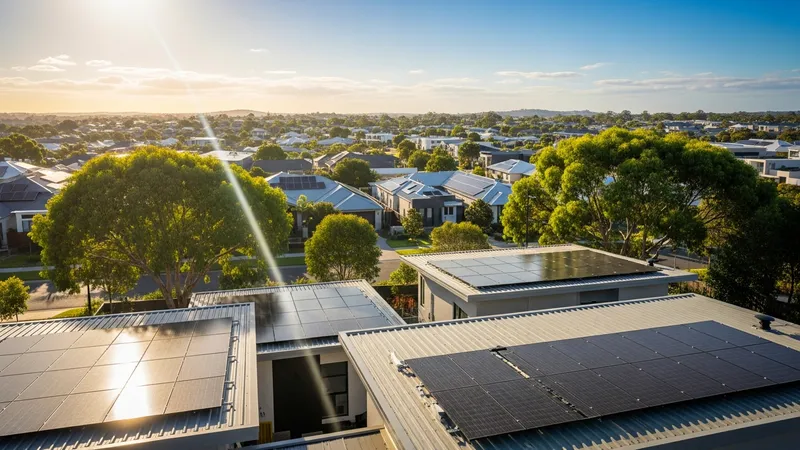
- Grid-Connected Rooftop PV Systems: Widely installed on Australian homes, these systems convert solar energy directly into household electricity and export excess to the local grid. Typical upfront costs range from AUD $3,000 to $7,000 for a 5kW system, not including available rebates.
- Solar Battery Storage Systems: Used to store surplus electricity for later use, potentially increasing self-consumption and lowering grid reliance. Costs for common home battery units in Australia may range from AUD $6,000 to $12,000 depending on capacity and installation requirements.
- Feed-In Tariff Schemes: Policies allowing households to receive financial credits for exporting surplus energy to the grid. Feed-in tariff rates in Australia can vary by state and provider, typically ranging from 5 to 12 cents per kWh as of 2023.
Grid-connected rooftop PV systems enable Australian households to generate a portion of their electricity needs using sunlight. Integration with the grid means that while solar-generated power is used first, any additional requirements are met by the grid supply. The extent of utility bill reduction generally correlates with the system’s size, household energy demand, and times of use compared to solar generation patterns. Local conditions such as roof orientation and shading can also impact overall performance and savings.
Solar battery storage systems have risen in prevalence, providing a way for Australian homes to store solar energy for use during evening hours or on overcast days. Using stored power can reduce purchases from the grid during times when electricity rates are higher, potentially enhancing household savings. However, batteries may add a significant upfront cost and are most effective when closely matched to the occupant’s energy usage profile and the local grid’s peak pricing structures.
Feed-in tariff schemes vary across Australian states and territories, influencing the financial return of exporting surplus solar energy. In some regions, generous feed-in tariffs can bolster the cost-effectiveness of investing in larger solar systems, while elsewhere, lower tariffs may make self-consumption of solar power a more favorable approach. Monitoring local regulatory updates is important, as policy changes may affect projected savings over the lifespan of a solar system.
The financial impact of solar energy adoption can be influenced by household energy habits. Homes that consume most of their electricity during daytime hours often make greater use of solar-generated power, directly reducing energy drawn from the grid. In contrast, households with higher energy use in the evenings may see greater benefit from adding battery storage to maximize the onsite use of generated electricity. These patterns illustrate why careful consideration of personal energy needs and regional factors may be helpful when evaluating the potential for solar-associated savings.
In summary, solar energy in Australia presents a structured path for households to offset electricity expenses, with actual outcomes depending on system choices, installation factors, local regulations, and individual consumption patterns. The next sections examine practical components and considerations in more detail.