
Hospital Investments: Key Considerations And Potential Outcomes

Investing in hospitals is a complex process involving significant capital and strategic planning. Such investments typically focus on issues like technology upgrades, facility expansions, workforce development, and compliance with regulations. The primary goal is to enhance service quality, improve operational efficiency, and address evolving needs within healthcare systems, particularly as populations age and medical advancements introduce new options for diagnosis or treatment.
Key considerations for hospital investments revolve around balancing resource allocation, managing operational risks, and ensuring adherence to statutory requirements. Decision-makers often weigh factors such as the anticipated healthcare demands of their regions, changes in policy frameworks, and the need for modern infrastructure. Assessing these components can help institutions plan for sustainability and adaptability within an evolving healthcare environment.
- Electronic Health Record (EHR) System Implementation: Hospitals in the United States frequently invest in EHR systems, such as Epic Systems or Cerner. These platforms typically require initial investments ranging from $2 million to over $50 million depending on the hospital’s size and complexity.
- Expansion of Critical Care Facilities: Building or renovating intensive care units or emergency departments often demands investments between $5 million and $100 million. Reports from the American Hospital Association provide examples of such projects.
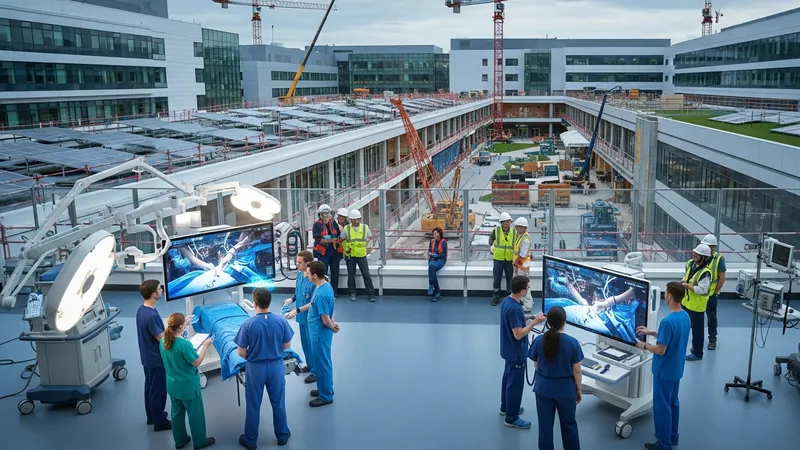
- Medical Equipment Modernization: Upgrading diagnostic imaging, robotic surgical systems, or laboratory infrastructure may cost from $500,000 to $20 million per project. Information from the U.S. FDA Medical Devices site outlines regulatory and procurement considerations.
United States hospitals may select investment projects based on clinical need, operational priorities, and regulatory context. Larger health systems occasionally prioritize EHR integration to unify patient records and streamline workflows. The adoption of advanced technology or equipment can facilitate more accurate diagnoses and efficient service delivery, but typically requires careful budgeting and staff training.
Facility expansions are often influenced by community needs assessments, which evaluate whether population changes or public health developments demand increased capacity or specialized care services. Regulatory compliance, including adherence to Occupational Safety and Health Administration (OSHA) and Centers for Medicare & Medicaid Services (CMS) requirements, can shape the scale and pace of capital projects.
Many hospitals encounter challenges in aligning investment timelines with expected outcomes. Revenue cycles, reimbursement shifts, and unforeseen events—such as public health emergencies—may affect returns and project feasibility. Continuous evaluation of investment results, cost efficiency, and patient satisfaction is important for long-term planning.
Investments in healthcare infrastructure not only serve immediate operational needs but may have broader community impacts, including local employment and health outcomes. The ability to adapt to changing circumstances, such as population aging or advances in medical science, is considered essential for sustained relevance in the healthcare landscape.
In summary, hospital investments in the United States are shaped by a confluence of technological, regulatory, and demographic considerations. The following sections examine specific factors, such as regulatory influences and demographic trends, that play a significant role in guiding these investment decisions.