
Mortgage Types: An Overview Of Loan Options And Features

Understanding mortgage types involves examining the various loan options available for financing residential property. These options differ in terms, interest rate structures, repayment features, and the risks or benefits they may present to borrowers. Selecting an appropriate type requires a careful assessment of individual preferences, financial circumstances, and objectives in the United Kingdom.
Mortgage choices typically fall into categories defined by how interest is charged and whether repayments remain consistent or change over time. Some options offer predictable monthly payments, while others can result in fluctuating costs depending on market rates. Knowledge of these distinctions helps individuals evaluate which arrangement aligns with their priorities.
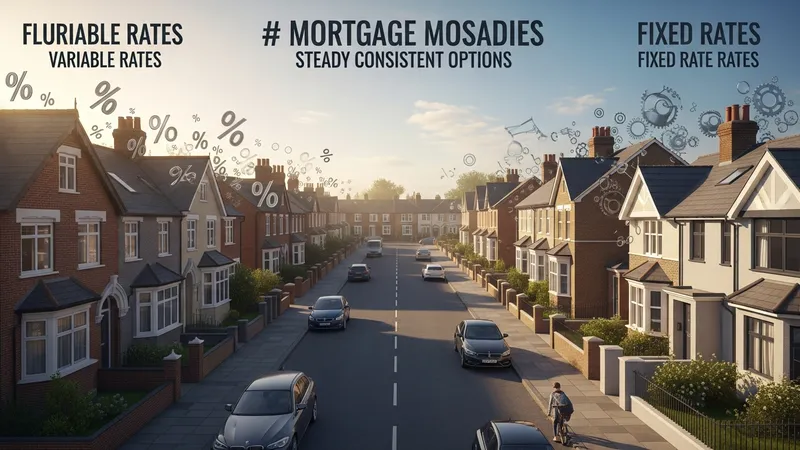
- Fixed-Rate Mortgages: Provide a consistent interest rate and monthly payment for an agreed period, commonly 2, 5, or 10 years. For details and current rates, visit the MoneyHelper Fixed-Rate Mortgage Guide.
- Standard Variable Rate (SVR) Mortgages: The lender’s default rate, which can change at any time. For guidance on SVR, see the UK Government Mortgage Rates Overview.
- Tracker Mortgages: Follow the Bank of England base rate, with payments that increase or decrease accordingly. Learn more from the Bank of England Tracker Mortgage Resource.
- Discount Mortgages: Offer a rate lower than the lender’s SVR for an initial period, after which it reverts to the SVR. For impartial information, visit the MoneyHelper Types of Mortgage Page.
- Offset Mortgages: Link savings or current accounts to the mortgage, reducing interest charged by offsetting balances. Official guidance is provided by MoneyHelper Offset Mortgages Explained.
Fixed-rate mortgages are among the more common choices in the UK, characterised by stable repayments over a defined term. The certainty provided may appeal to those seeking to avoid changes in payment due to interest rate shifts, though these products can come with early repayment charges if borrowers wish to leave before the end of the fixed term.
Variable rate mortgages, including both SVR and tracker mortgages, generally reflect changes in broader interest rates. These arrangements may initially offer lower interest rates compared to fixed-rate options, but they involve the possibility of increasing payments if market rates rise.
Discount mortgages and offset mortgages introduce distinct financial features. Discount mortgages provide a temporary reduction on the lender’s variable rate, which typically results in a lower initial cost but uncertain future payments. Offset mortgages, meanwhile, utilise the borrower’s own savings to reduce the amount of interest payable, which may lead to potential savings for those with significant cash reserves.
Each mortgage type is subject to lender criteria and market availability. Features such as arrangement fees, flexible payment options, and potential penalties for overpayments or early redemption can differ widely. Borrowers are encouraged to review official resources and consider the risk factors associated with each type.
In summary, familiarity with fixed-rate, variable, discount, and offset mortgage structures allows for more informed choices within the UK context. The next sections examine practical components and considerations in more detail.