
Non-Invasive Fat Reduction: Techniques, Safety, And Potential Outcomes

Non-invasive fat reduction refers to a collection of techniques designed to target and diminish localized fat deposits without the use of surgical incisions. In the United States, these methods commonly use controlled energy sources such as cold, heat, ultrasound, or radiofrequency to disrupt fat cells under the skin. The primary goal is to reduce the appearance of excess fatty tissue, often in areas like the abdomen, flanks, thighs, or arms. These approaches are frequently performed in outpatient settings and do not require anesthesia or significant post-procedure downtime.
Such fat reduction strategies operate by selectively affecting adipose tissue while ideally sparing the surrounding skin and structures. The impacted fat cells are then processed by the body’s lymphatic system over time. Unlike surgical liposuction, non-invasive procedures typically involve less disruption to the surrounding tissues, but the effects may develop gradually following multiple sessions. Individuals considering these methods in the United States typically do so for cosmetic contouring rather than as a substitute for weight loss or healthcare advice.
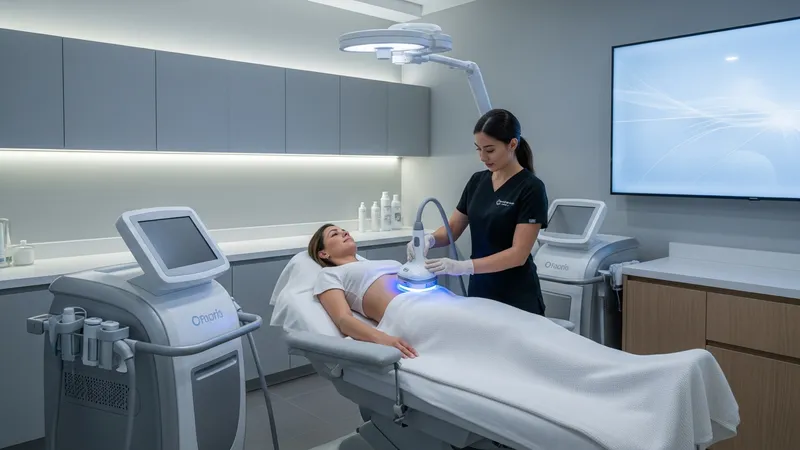
- Cryolipolysis (CoolSculpting®): Relies on controlled cooling to target fat cells, which may then be broken down by the body. Typical session fees in the U.S. range from $2,000 to $4,000 per treatment area, depending on provider and region.
- Laser Lipolysis (SculpSure®): Uses specific wavelengths of laser energy to heat and affect subcutaneous fat. Typical costs may range from $1,500 to $4,500 per series, as noted in published U.S. practitioner data.
- Ultrasound Fat Reduction (UltraShape®, Liposonix®): Applies focused ultrasound waves to disrupt fat cells beneath the skin. Estimated costs often fall between $1,200 and $3,000 per treatment area in the United States.
Non-invasive procedures may appeal to U.S. patients who wish to address specific areas of stubborn fat accumulation but are not seeking surgical solutions. These methods do not treat obesity or serve as a replacement for healthy diet and exercise habits. Clinical suitability typically depends on a person’s overall health, treatment goals, and medical evaluation by an appropriately trained provider.
One of the noted advantages of non-invasive fat reduction options in the United States is reduced procedural downtime. Sessions often last from 30 minutes to an hour, and many individuals return to normal activities shortly after treatment. However, results can vary, and multiple appointments may be recommended for optimal effect.
All FDA-cleared non-invasive fat reduction devices in the United States undergo regulatory review for device safety and intended use. While the procedures are generally perceived as safe when performed by qualified professionals, some side effects such as mild swelling, redness, or tenderness at the treatment site may occur. Patients are encouraged to discuss health history, expectations, and potential outcomes directly with their provider.
Ongoing developments in device technology and technique contribute to the evolving field of non-invasive body contouring. Many U.S.-based aesthetic practices offer these services, and published patient satisfaction rates can be influenced by a variety of personal and procedural factors.
In summary, non-invasive fat reduction in the United States offers techniques that aim to address localized fat deposits with minimal disruption to daily life. The following pages will examine practical components and considerations, including how treatments work, safety profiles, and the outcomes individuals may expect.