
Culinary Tourism: Exploring Local Food Experiences And Cultural Traditions

Culinary tourism is a travel practice that focuses on experiencing local cuisines, food traditions, and food-related activities as a central part of discovering a new destination’s culture. Instead of centering their journeys solely around sightseeing, travelers interested in culinary tourism often seek out markets, food festivals, farm visits, and cooking classes. This approach aims to provide a deeper understanding of regional heritage by engaging directly with food practices, both historic and contemporary.
Unlike general tourism, culinary tourism highlights how food reflects local identities, agricultural practices, and community customs. Many participants may attend guided tastings, visit artisanal producers, or dine at establishments featuring dishes tied to the destination’s heritage. The concept can encompass both globally recognized culinary capitals and lesser-known regions whose foodways contribute to diverse cultural landscapes. As awareness of cultural distinctions increases, more travelers are incorporating food explorations into their broader travel experiences.
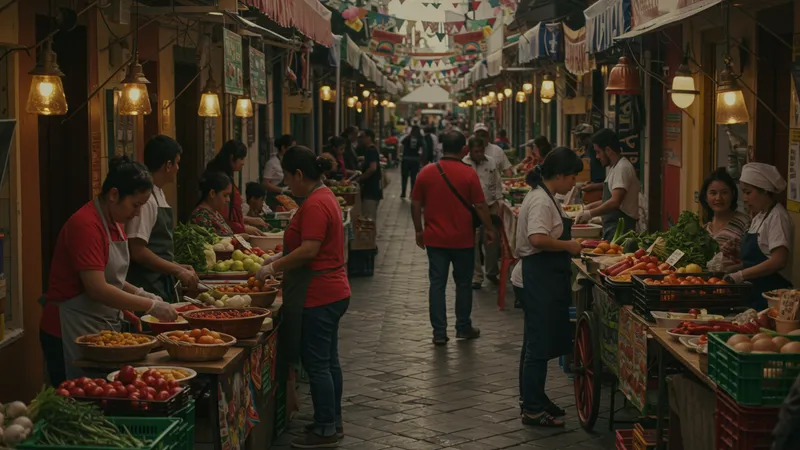
- Visiting Local Markets: Engaging with regional farmers’ markets or street markets allows travelers to observe ingredient preferences and seasonal produce, and to interact with vendors in an authentic setting. For example, visiting Mercado de San Miguel in Madrid or Tsukiji Outer Market in Tokyo provides a direct view of local food culture.
- Participating in Cooking Workshops: Many culinary travelers join hands-on cooking classes to learn traditional recipes and preparation methods from local instructors. Examples include pasta-making classes in Italy or sushi workshops in Japan.
- Attending Food Festivals: Seasonal or annual gatherings celebrating local specialities, such as truffle festivals, seafood fairs, or wine harvest events, offer immersive exposure to regional food customs and social rituals. One example is the Salón de Gourmets in Spain, which features a wide array of tastings and demonstrations.
Culinary tourism is recognized for its potential to foster cross-cultural understanding and appreciation of local traditions. By exploring the origins and methods behind specific dishes, travelers often gain insights into the region’s history, agriculture, and social customs. Food-related experiences can vary widely, from urban street food tours to rural farm-to-table gatherings, reflecting both daily life and celebratory practices.
This form of tourism typically supports local economies by sustaining small food producers, chefs, and hospitality providers. In many regions, culinary tourism is a significant contributor to community-based enterprises, which may help preserve threatened food traditions. Food tours and events often encourage participants to try ingredients and flavors outside their everyday preferences, broadening palates and introducing new culinary concepts.
Participants in culinary tourism often use guided tours for structured experiences, but independent exploration is also common. Online platforms and guidebooks frequently suggest notable markets, restaurants, and producers, making it more accessible for travelers to plan visits that align with their interests. Documentation through photography, journaling, or sharing experiences online contributes to the evolving narrative of culinary tourism as a global movement.
Authentic engagement is usually considered an important aspect of culinary tourism. Travelers are generally encouraged to show respect for local customs, food taboos, and etiquette, especially when sampling unfamiliar dishes or entering private homes. Many culinary tourism activities also emphasize ethical consumption, seasonality, and sustainability, though approaches and awareness can differ by location.
In summary, culinary tourism may offer a meaningful approach to exploring both well-known and emerging destinations. It provides a pathway for travelers to experience culture through the senses, learn about history, and build connections with the people behind local food traditions. The next sections examine practical components and considerations in more detail.