
5G Infrastructure: Ensuring Reliability And Performance In Modern Networks

Power, Cooling, and Site Reliability in 5G Infrastructure
Power and cooling solutions form a significant component of the operational reliability for 5G infrastructure in the United States. With the introduction of high-density radios and core processing equipment, energy requirements at both macro and small cell sites have increased. Advanced power systems, including uninterruptible power supplies (UPS) and backup generators, are typically installed to ensure continuous operation in the event of local grid failures or maintenance activities.
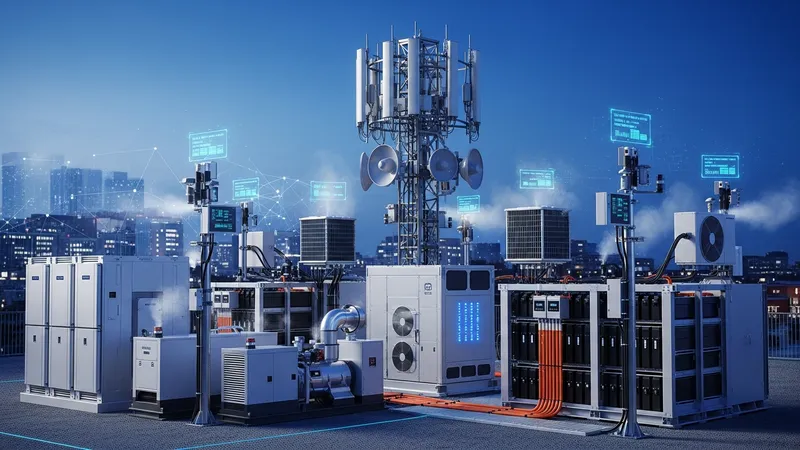
Cooling technologies must be matched to the site’s environmental conditions and the equipment’s thermal output. Precision cooling solutions, often involving air conditioning units designed specifically for telecom shelters, are used in conjunction with real-time environmental monitoring. Battery technology—such as lithium-ion storage—plays an important role both as a backup power source and for smoothing out demand peaks. This may help prevent overheating and hardware degradation, particularly during periods of high usage or extreme weather.
Regular site audits and preventative maintenance can extend equipment lifespan and minimize the potential for network downtime. In the U.S., maintenance schedules are typically coordinated through centralized network operations centers, where personnel monitor key site metrics and can initiate repairs rapidly. This proactive approach can help maintain service quality across widespread geographies and diverse climatic zones.
Site reliability planning, including the consideration of natural disasters or severe weather, is a priority for infrastructure operators. Some regions may incorporate additional hardening measures, such as flood-resistant enclosures, enhanced cable management, or elevated installations. These features are designed to reduce the risk of service disruptions caused by environmental or physical hazards.